

In July 2026, NICE – the National Institute for Health and Care Excellence, which produces evidence-based guidance for the NHS and wider health and care system – published draft guidance on polyendocrine metabolic ovarian syndrome, or PMOS. PMOS, formerly called PCOS (polycystic ovary syndrome) until May 2026, is a hormone and metabolic condition that can cause irregular or absent periods, acne, excess facial or body hair, fertility difficulty and longer-term metabolic health risks. The condition is worryingly common, affecting more than 170 million women worldwide, and up to 13% of women of reproductive age in the UK, and the draft guidance has recommended quicker diagnosis and an annual review process for people diagnosed with the condition. For pharmacies, the findings are a wake-up call that customer concerns about late, missed, or irregular periods may be indicators of PMOS – and not just pregnancy questions.

PMOS may appear as repeat testing before it appears as a diagnosis
Customers do not usually approach a pharmacy counter asking whether they have PMOS. They may be anxious about long gaps between periods, fatigue, or difficulty getting pregnant. While not exclusive to PMOS, these symptoms are potential signs of the condition and could warrant follow-up by the customer’s GP. It’s important to be cautious when offering a customer advice of any kind. However, if the same customer is repeatedly using pregnancy test home kits because their periods are unpredictable, the counter advice (if sought) should move from product selection to the timing and pattern of symptoms.
To be clear, a pharmacy’s role is not to screen or diagnose PMOS. However, it should notice when a single product request may sit inside a broader pattern. A one-off late period can be handled with proportionate advice about pregnancy testing and timing, whereas a repeated pattern of irregular or absent periods, particularly if the customer is concerned about her fertility or says the issue is affecting daily life, should prompt advice to speak to a GP. That is a different conversation from simply recommending another pregnancy test home kit.
The draft guidance also gives pharmacies a reason to update the language they use. Many, if not most, customers will still know the condition as ‘PCOS’, while newer NHS and NICE material is now using PMOS. Explaining the name change briefly can be helpful: the condition is not defined only by cysts on the ovaries, and it can also involve wider hormone and metabolic effects. This helps avoid the common misunderstanding that a person cannot have the condition unless cysts have already been seen on a scan.
The next stage in the conversation
NICE are carrying out a full consultation between July and August 2026, with final results and guidance due to be published in December. It will be interesting to see what recommendations come out of it. Until then, however, there is one important takeaway from the draft guidance – late or missed period conversations at the counter should be less transactional.
Pregnancy testing may still be the right immediate step for most customers, and some women do need to test multiple times when trying for a baby; but repeated uncertainty about the cycle deserves to be heard as a clinical clue, and not just a need to try a different test or different timing, etc. Community pharmacies are often where that clue first becomes visible.
What next?
Our Suresign range includes a selection of standard and early use pregnancy test home kits and self-testing kits for other common conditions, including UTIs. To find out about stocking these items in your pharmacy, please contact one of our knowledgeable team today by clicking here, or by calling 028 9744 1160


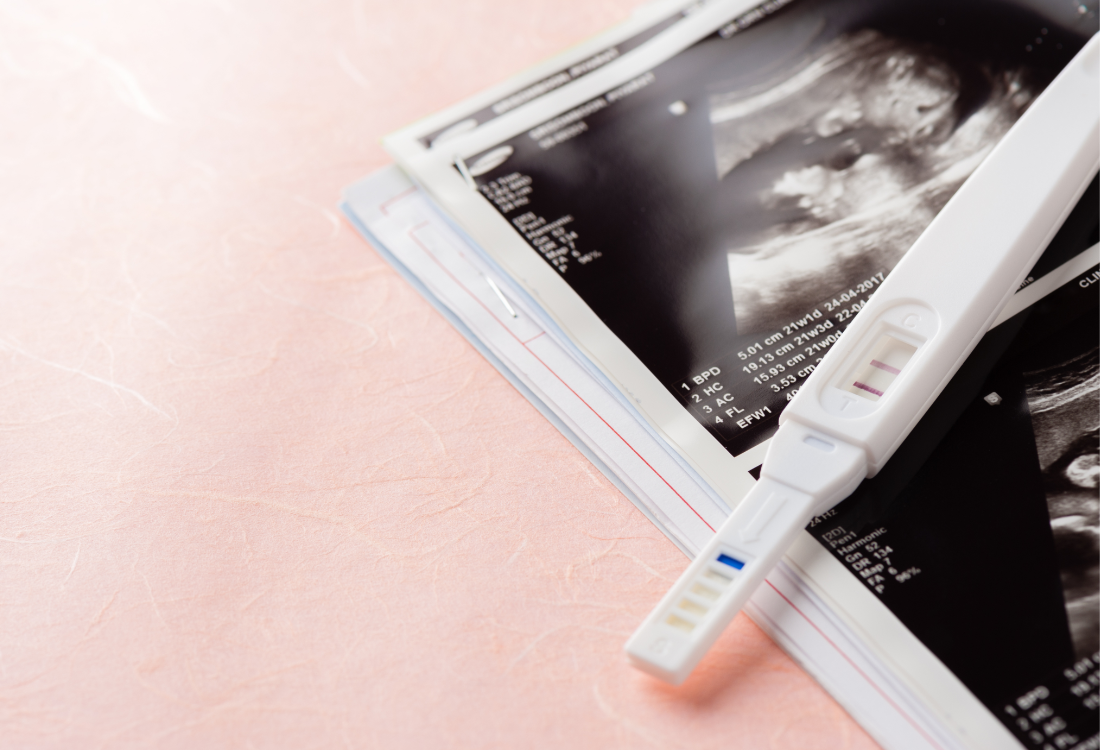
From Household Remedies To Home Testing Kits: Why People Have Always Wanted Private Health Answers.
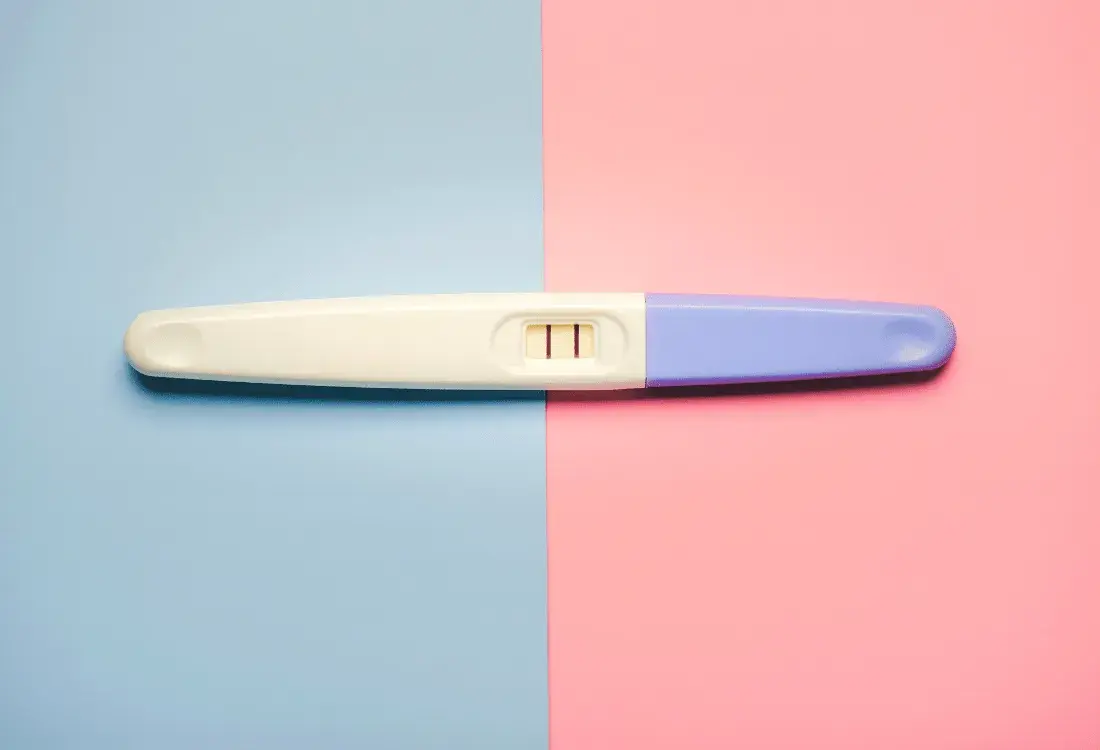
Do Pregnancy Tests and Other Home Kits Expire? What Pharmacists Should Know About Shelf-Life, Reliability and Patient Advice.
No Comments Yet
Let us know what you think