


High blood pressure, clinically known as hypertension, is often associated with later life, yet it can also affect younger adults without obvious warning signs. While blood pressure can naturally fluctuate even in healthy adults, persistent elevation increases strain on the arterial walls and may contribute over time to cardiovascular disease, kidney impairment and stroke risk.
In women, factors such as family history, pregnancy-related hypertensive disorders, hormonal influences, body weight and lifestyle patterns may all be relevant. Because hypertension is frequently asymptomatic, many people remain undiagnosed until routine screening. Knowing your usual readings can therefore give you a clearer picture of your health and help you spot changes earlier.
Why are blood pressure issues often missed?
High blood pressure, or hypertension, is often described as a ‘silent risk’ because it may develop without clear day-to-day symptoms. Many people feel entirely well while their blood pressure remains consistently elevated. This can delay action, particularly in younger adults who may assume it is only a concern later in life.
Because there is not always an obvious warning sign and the issue is not generally associated with people under 50, raised blood pressure in younger women (20s, 30s & 40s) is often only discovered during routine screening for other issues, such as during pregnancy care, or when another health issue is being investigated. By that stage, it may already have been placing extra strain on the heart and blood vessels for some time. This is one reason blood pressure monitor kits at home has become more common among people of all age brackets. It gives people a practical way to understand their usual readings rather than relying on occasional checks alone.
Why younger women should not ignore it?
Let’s be clear, most younger women will not have hypertension, but it would be a mistake to assume the risk is zero. Blood pressure can be influenced by a range of factors, including family history, body weight, physical activity (or lack of), smoking, alcohol intake, stress, sleep quality and diet patterns such as high sodium intake.
Women may also have additional considerations at different life stages. A history of pregnancy-related hypertensive disorders, including pre-eclampsia, can be relevant later on. Some hormonal factors, certain medications and underlying kidney or endocrine conditions may also affect blood pressure. The key point is not that younger women should be alarmed, but that awareness matters. If someone has known risk factors, recurring headaches, dizziness, or simply has not checked their blood pressure for years, monitoring can be a sensible first step.
Why home monitoring helps?
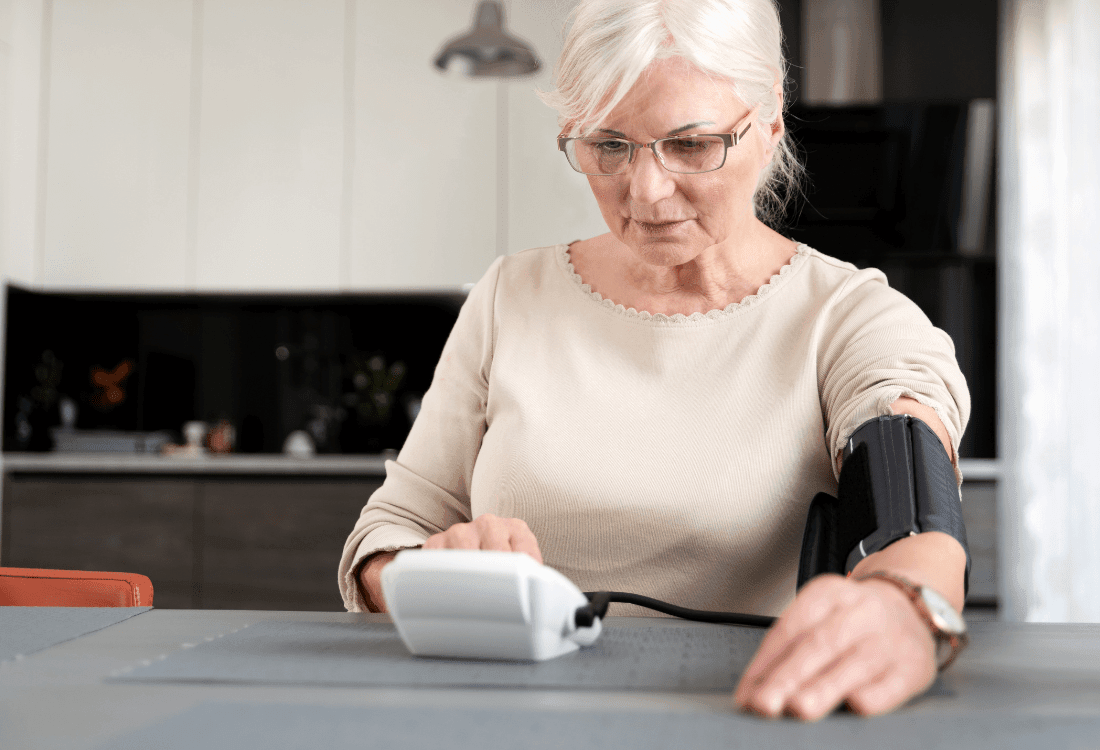
Reliable home devices have made it easier for people to build a clearer picture of their cardiovascular health. Instead of relying on a single reading taken during a rushed appointment, users can record several measurements over time in a familiar setting.

Of course, blood pressure changes throughout the day in response to factors such as stress, caffeine intake, periods of inactivity, and anxiety. Some people also experience the “white coat effect”, where readings are temporarily higher in clinical settings (often due to anxiety). Looking at a pattern of readings taken under consistent conditions can therefore be more informative than one isolated result. Used correctly, blood pressure monitor kits can help users identify trends and recognise when professional advice may be needed. Taking readings at similar times, sitting quietly beforehand, and following cuff placement instructions all improve reliability.
The benefits of blood pressure monitoring for younger women include earlier awareness of persistently raised readings, better visibility of progress after lifestyle changes, and more useful information to discuss with a GP or pharmacist. Home readings still do not replace diagnosis or treatment decisions made by healthcare professionals.
How pharmacies can support earlier awareness?
For many customers, the local pharmacy is the most accessible place to start a health conversation. People may not book a GP appointment simply to ask about prevention, but they will often speak to a pharmacist about practical next steps. That makes blood pressure a natural category for community pharmacy stockists. Customers may need guidance on choosing the right cuff size, understanding readings, or knowing when to seek further support. Pharmacies can also help reinforce the basics of heart health, including weight management, smoking cessation and healthy lifestyle habits.
Commercially, it also aligns with growing demand for preventative healthcare products that customers can use confidently at home. As more consumers take an interest in proactive wellbeing, dependable monitoring devices become increasingly relevant retail lines.
What next?
Demand for preventative health products continues to grow as more consumers look to monitor key health markers at home. Offering reliable blood pressure monitors can help position your pharmacy as a first stop for proactive care in your local community. To enquire about stocking Suresign blood pressure monitors and wider health check products, please get in touch with our technical sales team today.
High blood pressure is no longer seen only as an older patient issue. New reporting has highlighted why younger women should not ignore the risks. Our latest article looks at why pharmacies have an important role in early awareness and home monitoring.

How Blood Pressure Monitors Are Crucial For Monitoring Low Blood Pressure

Your Health, Your Hands: The Importance of At-Home Blood Pressure Monitors
No Comments Yet
Let us know what you think