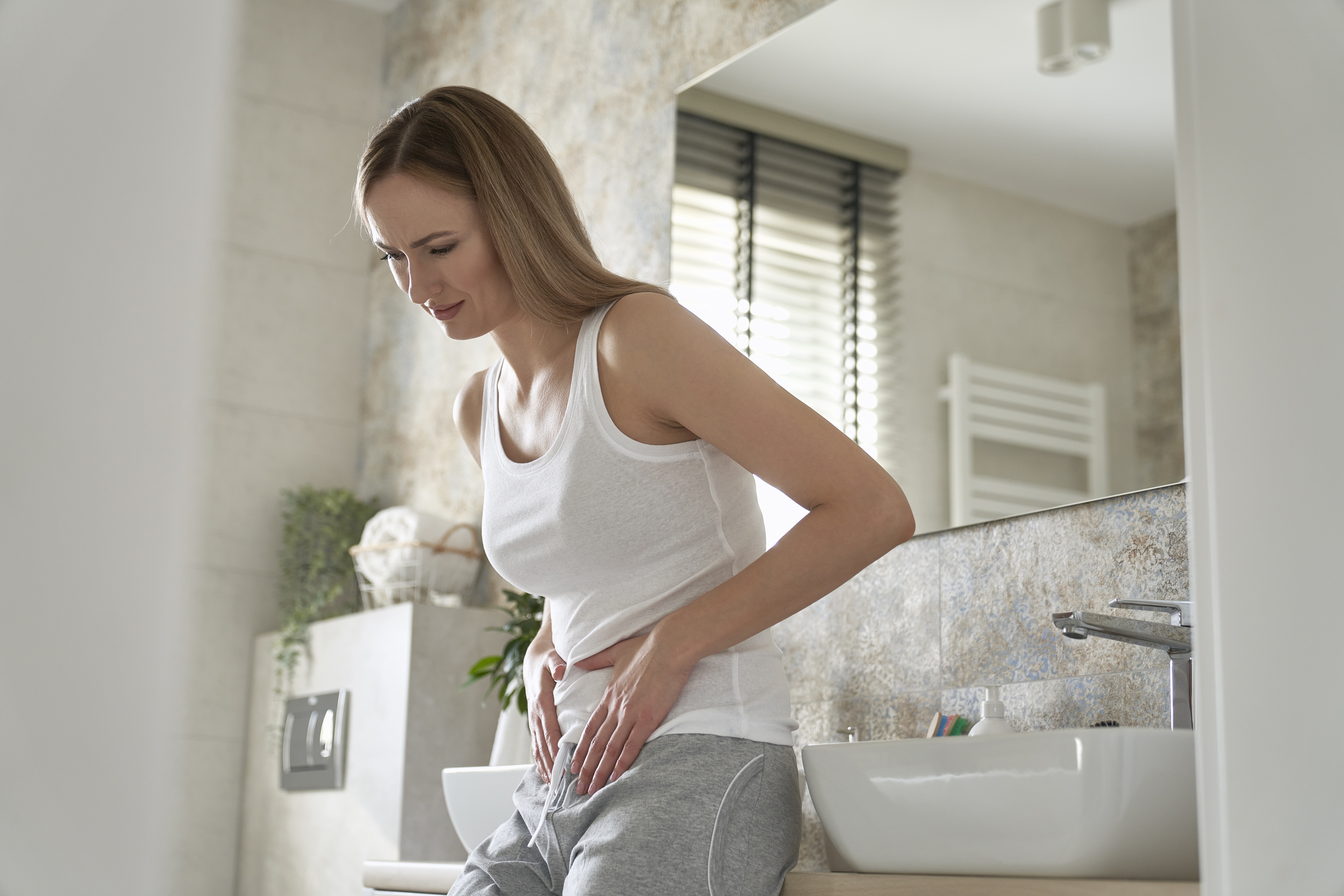
If you can’t splash out at Christmas, when can you? Even for people who are generally careful throughout the year, the festive period is often a time for indulgence. Rich food, extra alcohol, late nights and busy schedules are all part of the Christmas celebrations. For some people, though, these seasonal habits can increase the risk of developing a urinary tract infection (UTI). If you’ve ever noticed UTI symptoms appearing during or just after the Christmas break, there are some clear reasons why. Recognising these triggers can help you take simple steps to reduce your risk and act quickly if symptoms begin.
1) Dehydration is more common than you think
Cold weather naturally reduces thirst, and festive routines often mean people drink less water than usual – in place of sugary drinks, coffee, and festive tipples. Alcohol also contributes to dehydration, even if you are drinking water alongside it. When your urine becomes more concentrated, bacteria are more likely to irritate the bladder and multiply. Staying hydrated helps flush bacteria out of the urinary tract. When fluid intake drops, this natural defence is weakened, making infections more likely to take hold.
2) Alcohol can irritate your bladder
Alcohol is a known bladder irritant. For some people, even a small increase in alcohol consumption can trigger urinary discomfort, urgency or burning. During Christmas, this effect can be amplified by repeated exposure over several days. Alcohol may also mask early UTI symptoms, delaying action until discomfort becomes harder to ignore.
3) Sugary foods can encourage bacterial growth
Festive diets are often higher in sugar and fats than your usual fayre, and while sugar itself does not directly cause UTIs, higher sugar levels in urine can create a more favourable environment for bacteria to grow. This is particularly relevant for people who are already prone to infections or who already have sensitive urinary tracts.
4) Holding urine for too long
Long car or train journeys, Christmas parties and disrupted routines can lead to people delaying their usual toilet breaks. Unfortunately, holding urine for extended periods allows bacteria more time to multiply in the bladder, increasing your infection risk. This is a common but overlooked trigger during busy festive days.
5) Disrupted routines can delay action
When symptoms begin during Christmas, many people delay dealing with them. Pharmacies and GP surgeries may be closed, routines are disrupted and discomfort is often brushed aside until it worsens. This is where self-testing kits can be particularly useful. Having a home testing UTI kit available allows you to check symptoms early, even during evenings or weekends, and decide whether or not you need professional advice.
Are self-test kits accurate?
Many people ask, ‘are self-test kits accurate for UTIs?’ Generally, yes. When used correctly and within their expiry date, they can be a helpful screening tool. They detect common markers of infection such as leukocytes and nitrites, which can indicate bacterial activity. They do not replace a
clinical diagnosis, but they can give reassurance or prompt earlier action, especially when access to healthcare is limited over Christmas.
How to reduce your risk over Christmas
Simple habits can make a real difference to your enjoyment of Christmas without risking a UTI:
-
Drink water regularly, even if you don’t feel thirsty
-
Alternate alcoholic drinks with water
-
Avoid holding urine for long periods
-
Pay attention to early symptoms such as stinging, urgency or cloudy urine
-
Use a home test promptly if symptoms appear
What next?
Enjoy your Christmas, have fun and be merry, but be aware of the early signs of a UTI. Acting quickly on one of these triggers will help you take preventative steps and potentially prevent symptoms from worsening. Keeping a urinary tract infection (UTI) test at home can support early decision making during a busy time of year when accessing healthcare may be more difficult. For more information about the Suresign self-test range or to enquire about stocking the Suresign award-winning home UTI test at your pharmacy, please message us by clicking here.




No Comments Yet
Let us know what you think